A great story becomes even more impressive when you place it in context. British Museum visitor experience research.
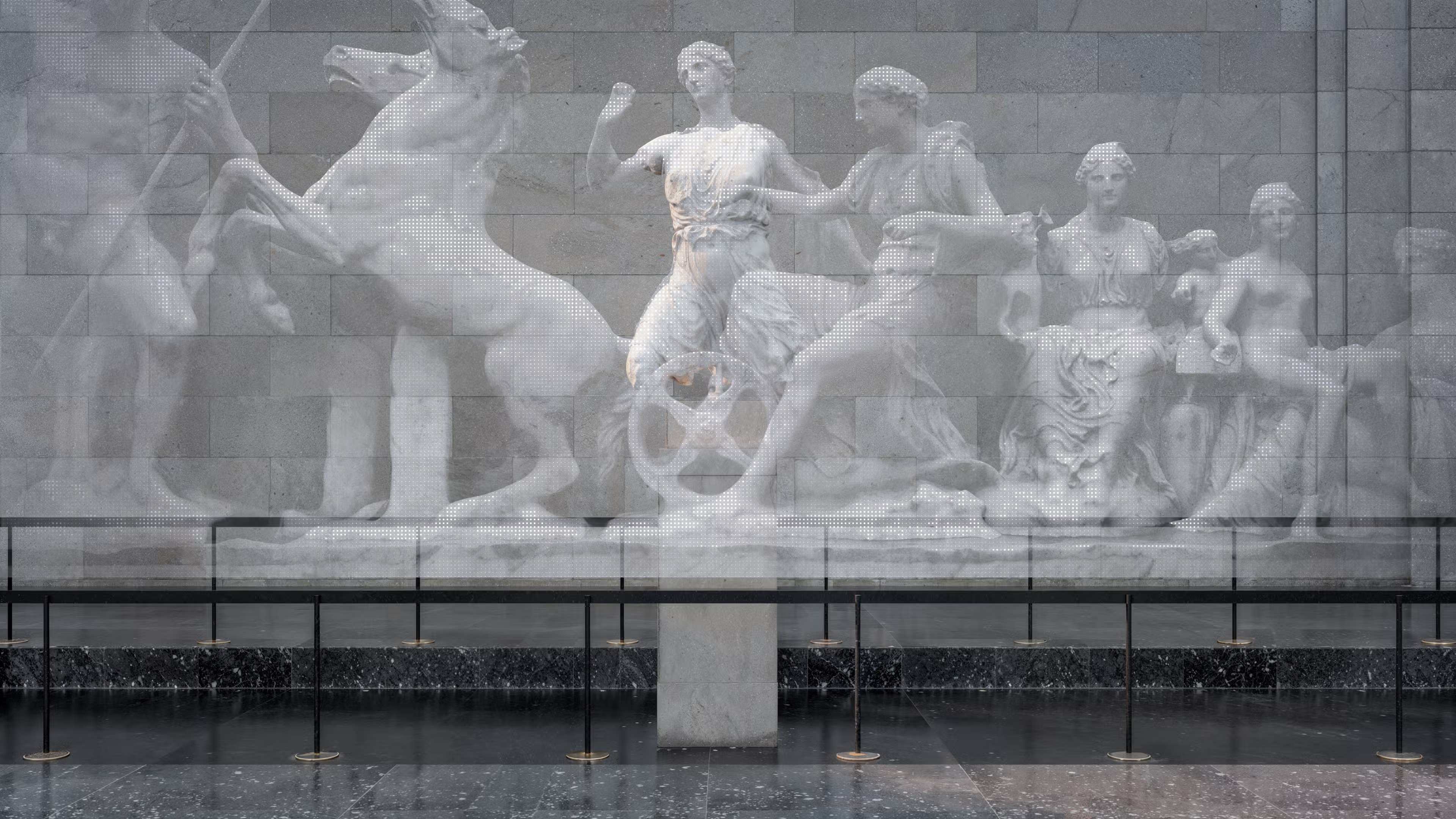
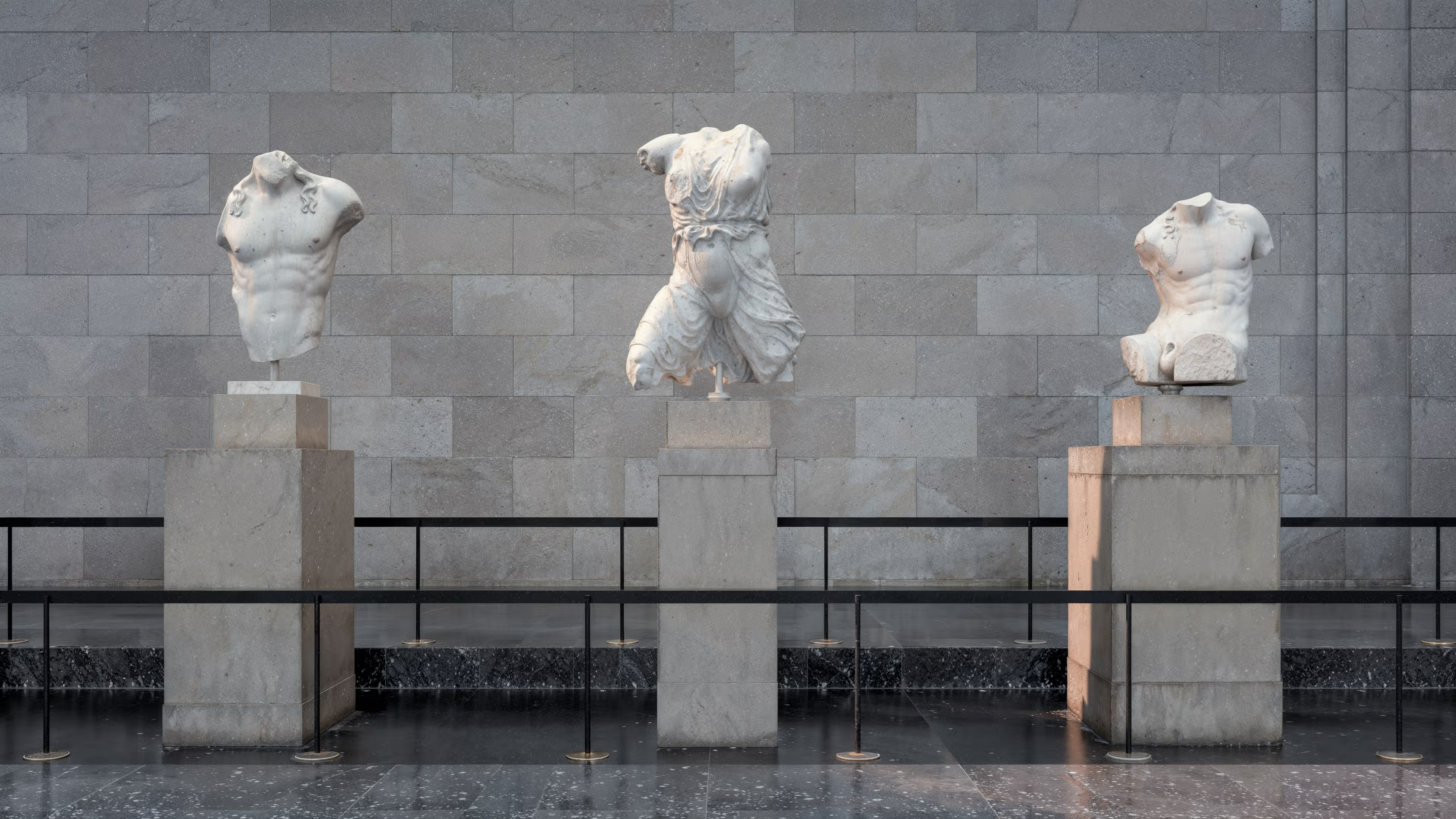
We imagined how XR technologies could reshape museum interactions, adding layers of immersion and discovery.
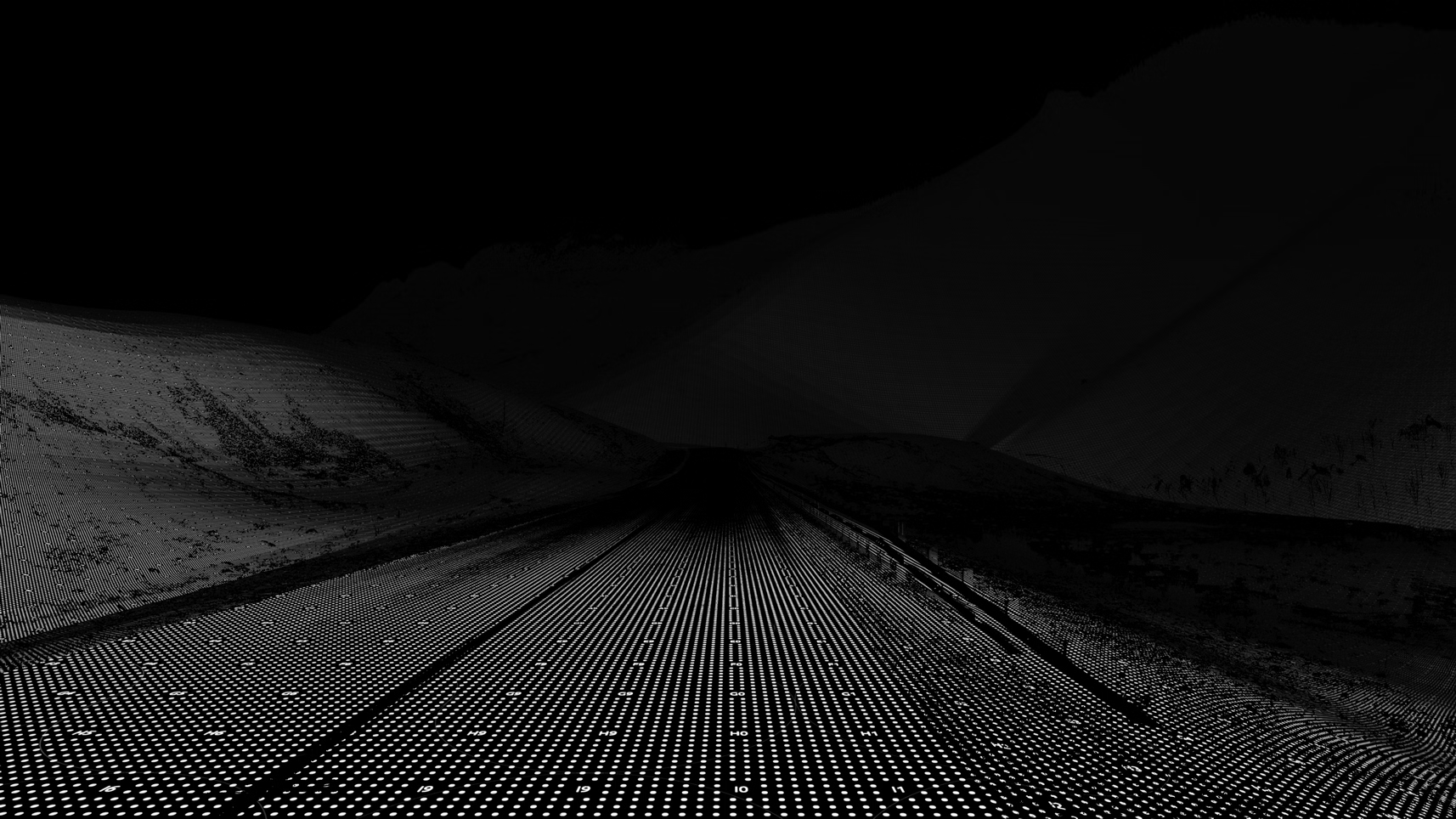
Adaptive XR expirience
We explored what a museum with an adaptive XR environment could look like—where interfaces become individualized and respond to each visitor’s movement and experience path.
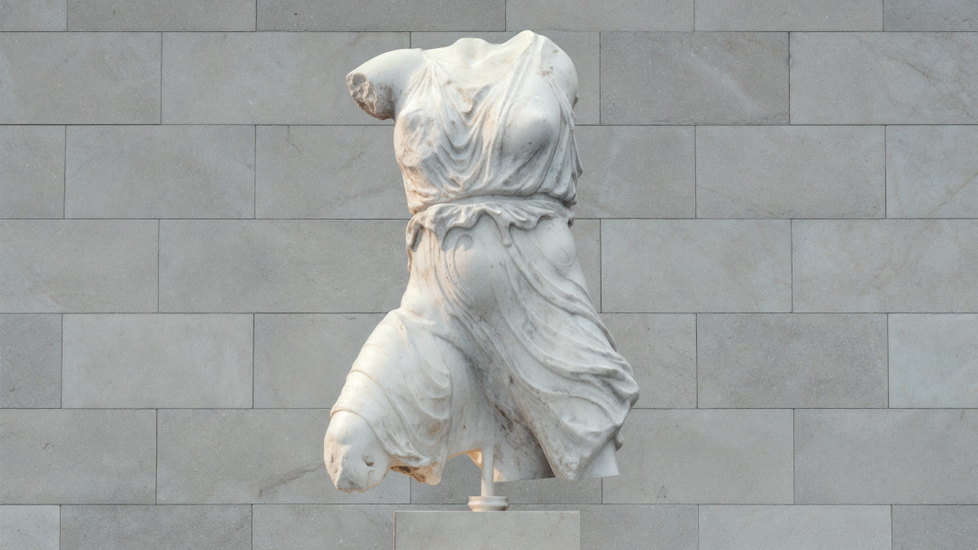


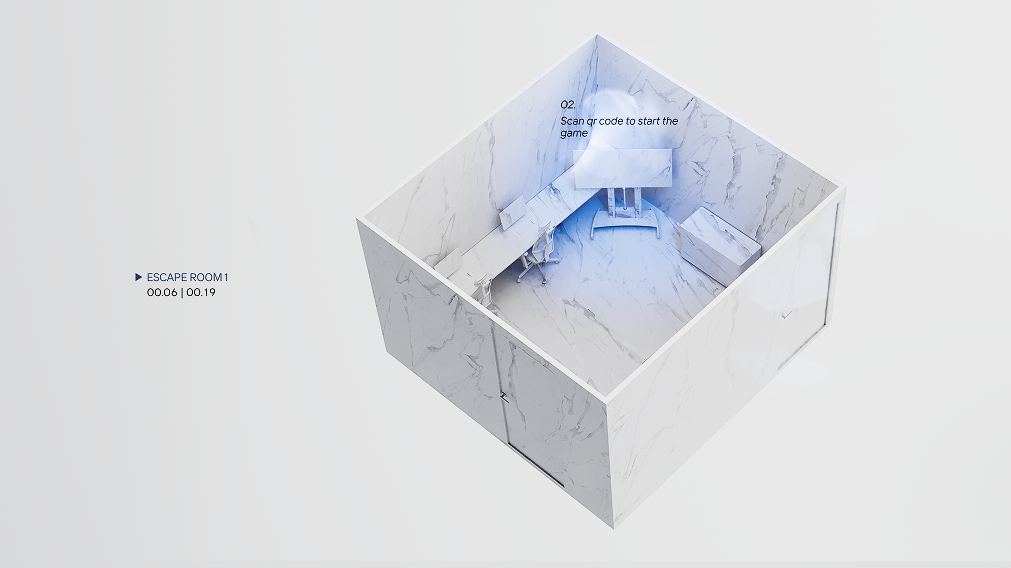
Making the Invisible Visible
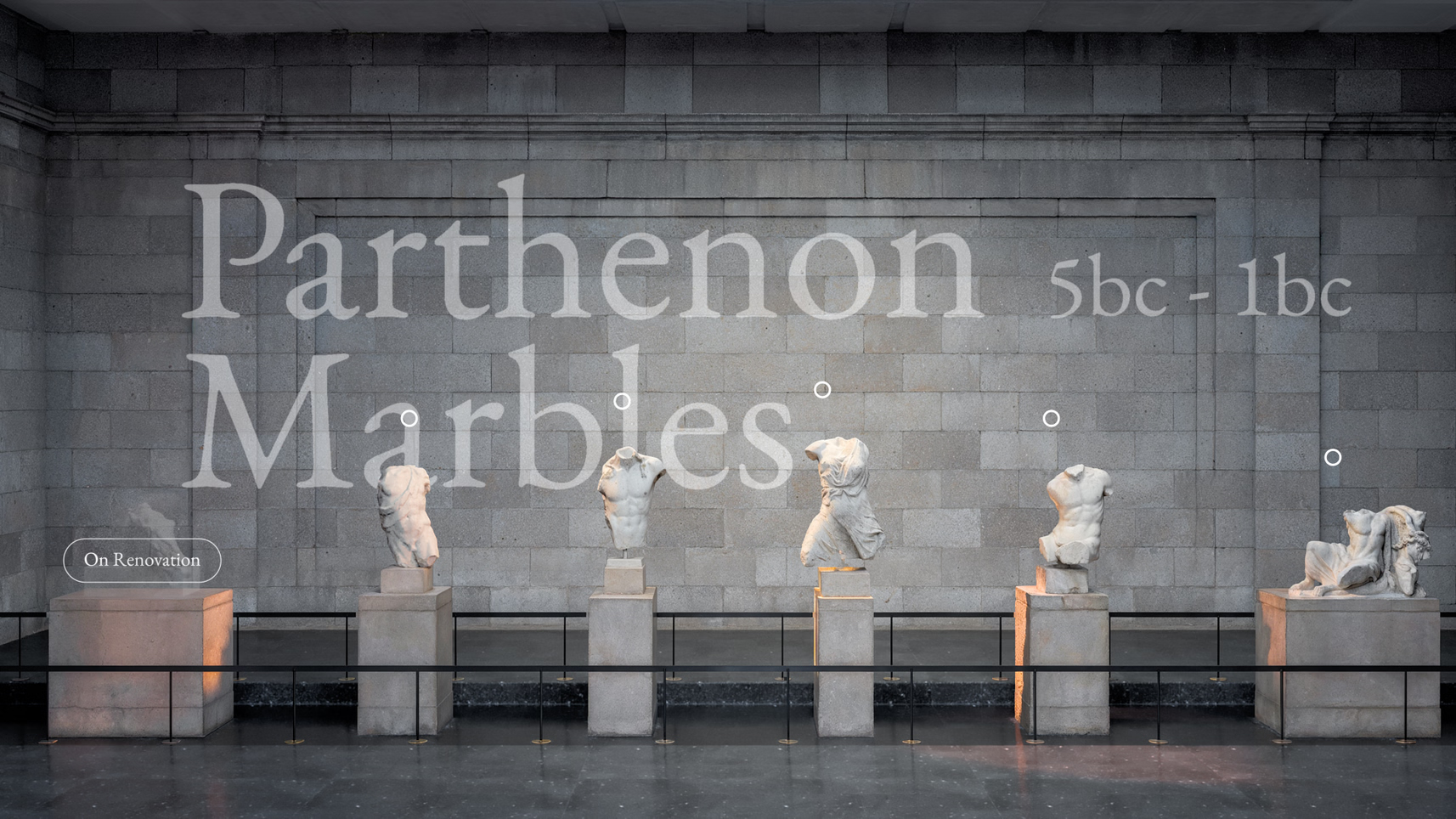
Here, XR acts as a service layer of the museum. It can display artefacts that are currently inaccessible—under renovation, in storage, or undergoing conservation—allowing visitors to explore collections that are otherwise hidden
This XR experience introduces a responsive digital layer across the museum. It visualises absent or inaccessible artefacts, enriches historical context, and adapts content to each visitor’s location and interests
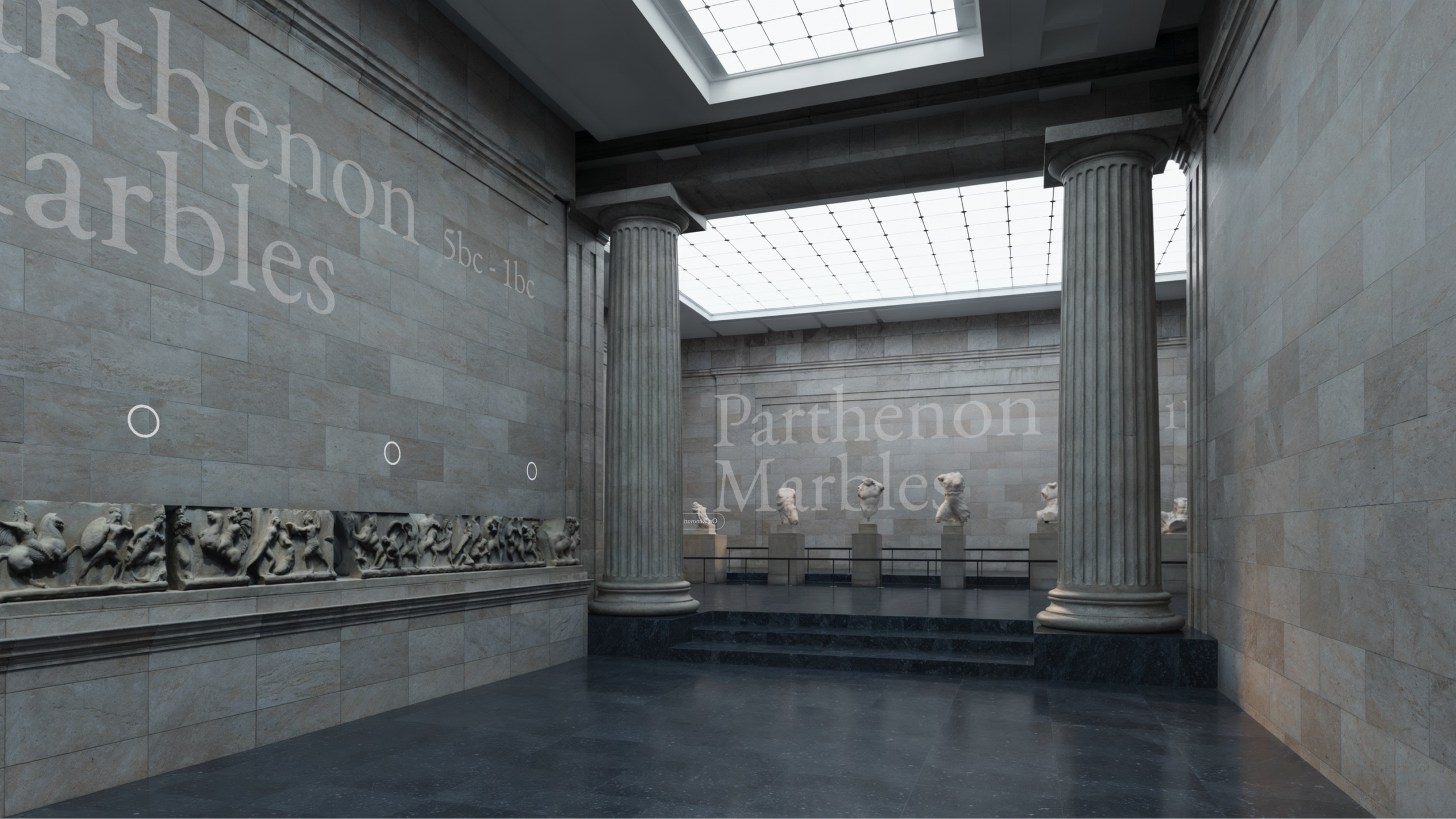
This project was created as a concept of our vision for XR technology within any museum environment. At the same time, all the scenarios we describe are grounded in real, technically feasible solutions that can be developed by our in-house team
*
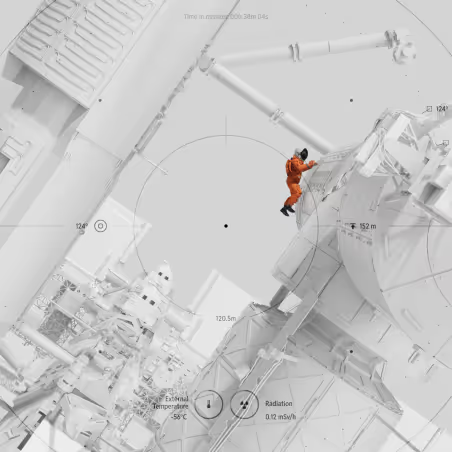
Distance | AR HUD Unity demo
We partnered with the Finnish startup Distance to help them showcase their groundbreaking spatial display technology
*
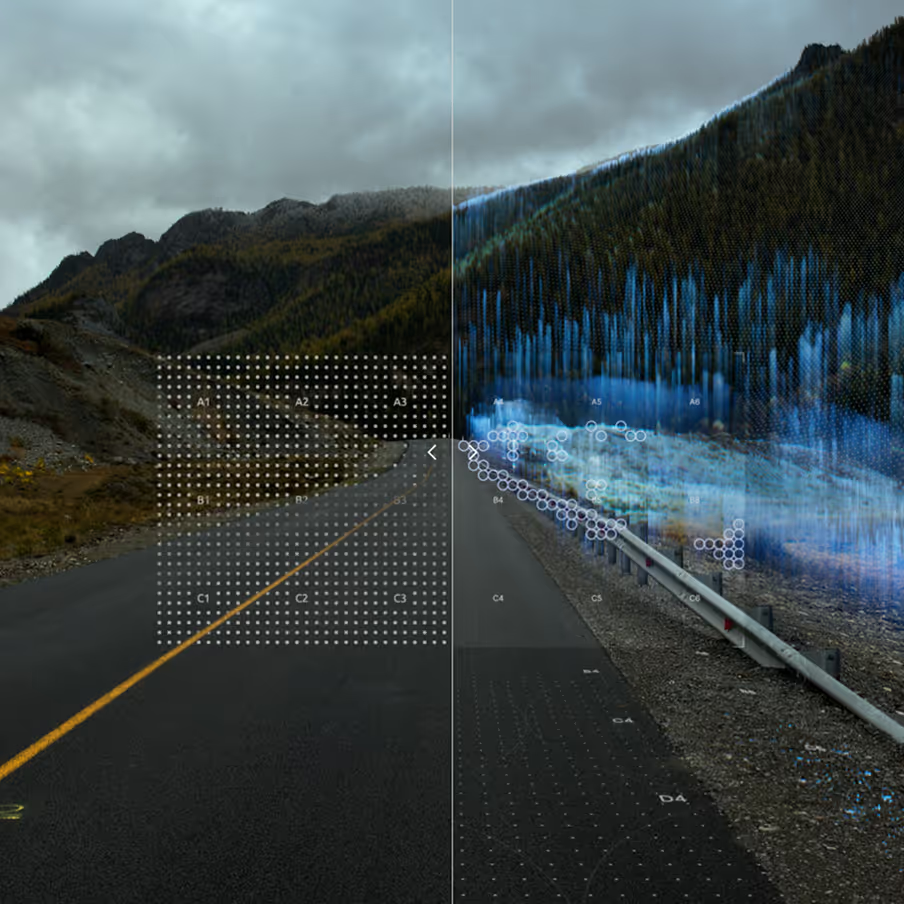
Distance | Infinite Pixel Depth
We were asked to find a way to illustrate main advantage of Distance XR display — Infinite Pixel Depth — in a static image
*
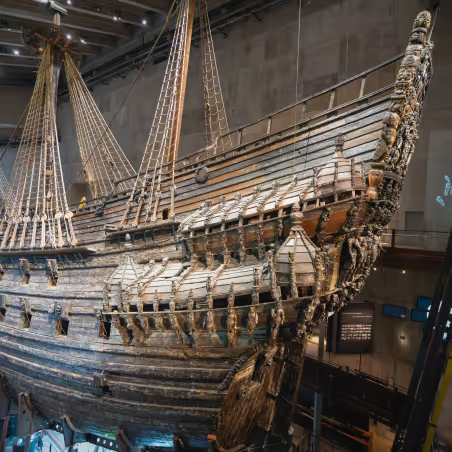
Vasa Museum | Visitor experience concept
An AR solution that adds a new layer of depth to exploring Stockholm’s most visited museum, with multiple overlays enriching the visitor experience