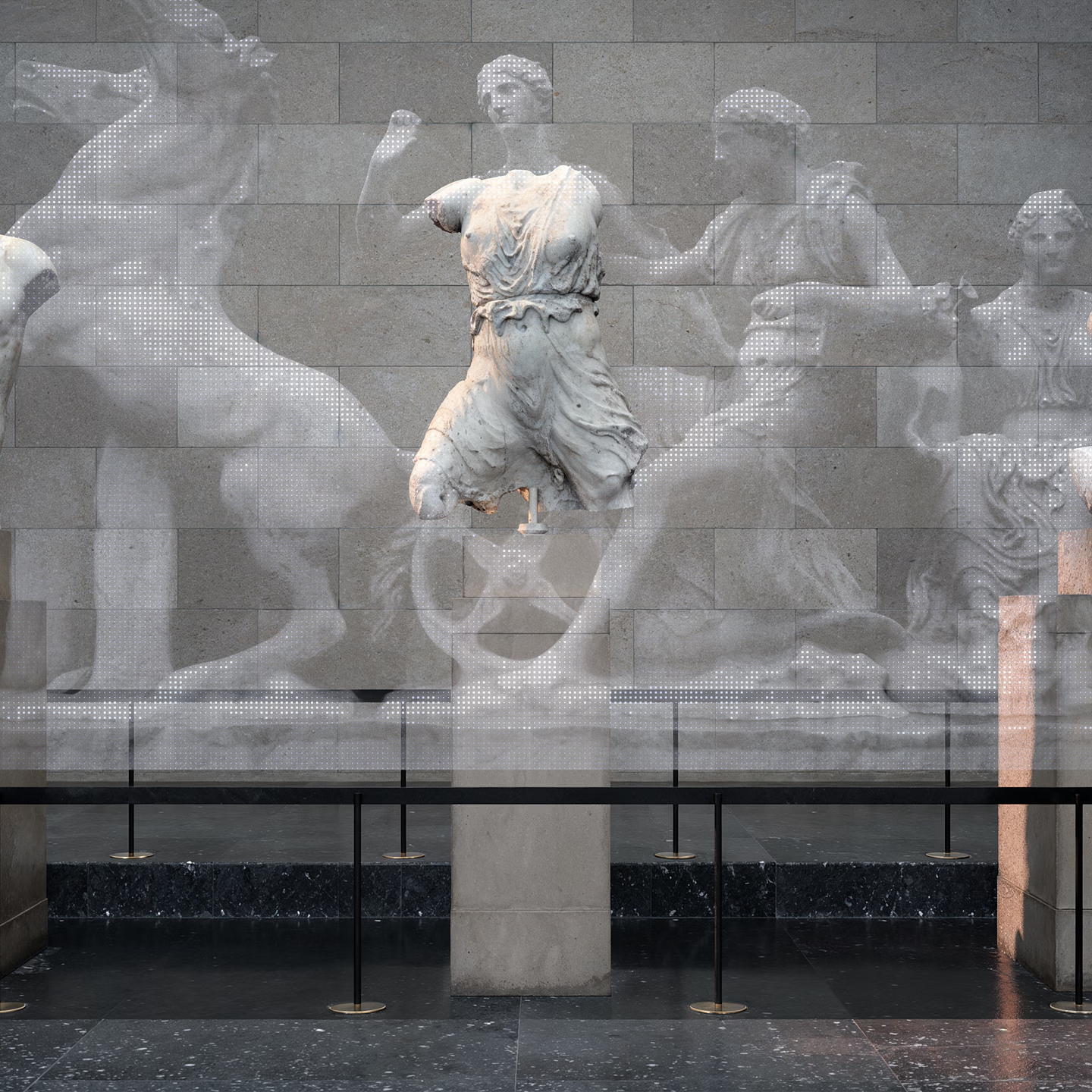
We were asked to find a way to illustrate Infinite Pixel Depth in a static image on a flat monitor and to show the difference from the limited display capabilities of a conventional HUD

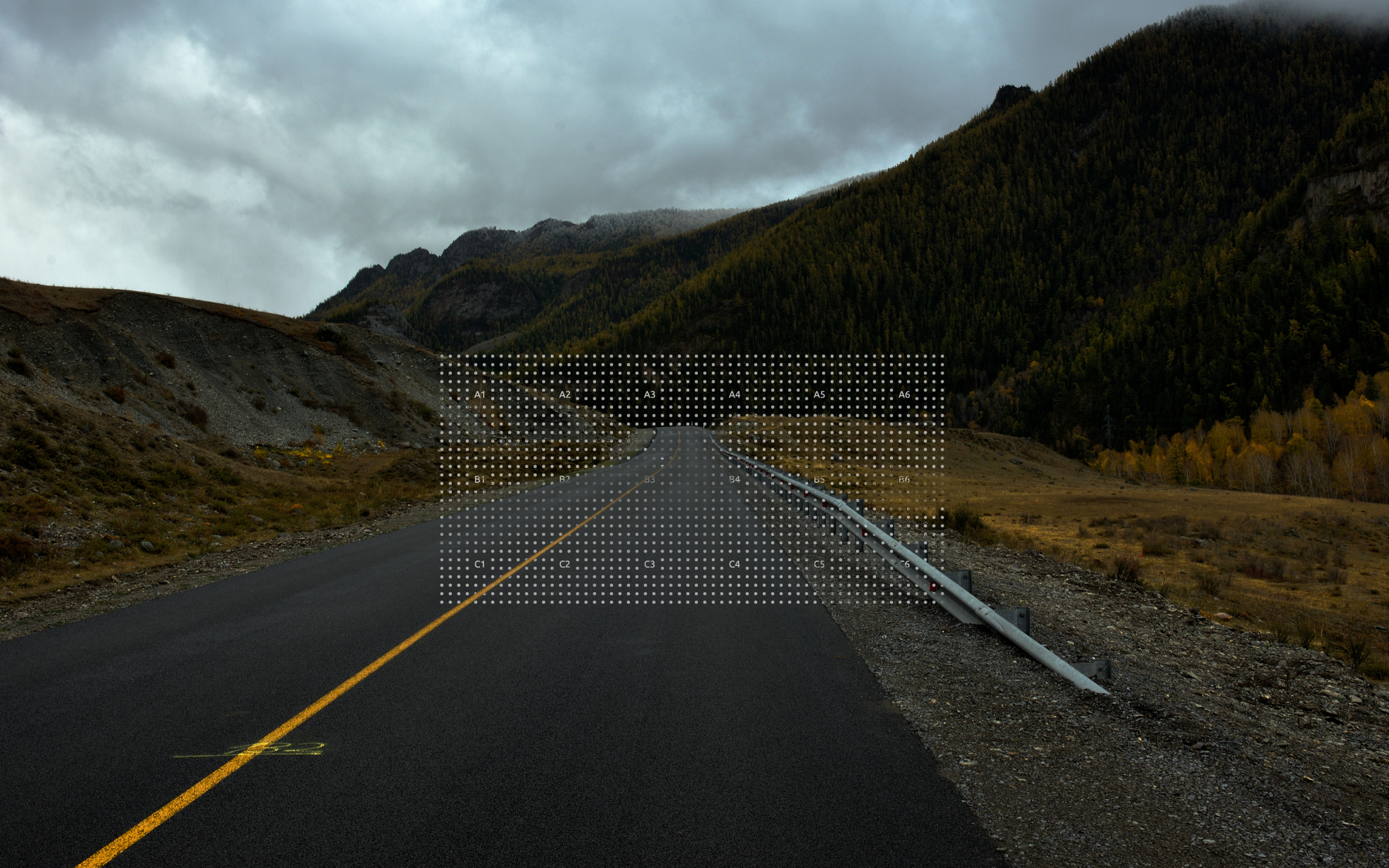
How can a flat screen convey what volume and depth create as a completely different experience? We started with something simple — visual techniques that help the viewer perceive depth.
What is infinite pixel depth?
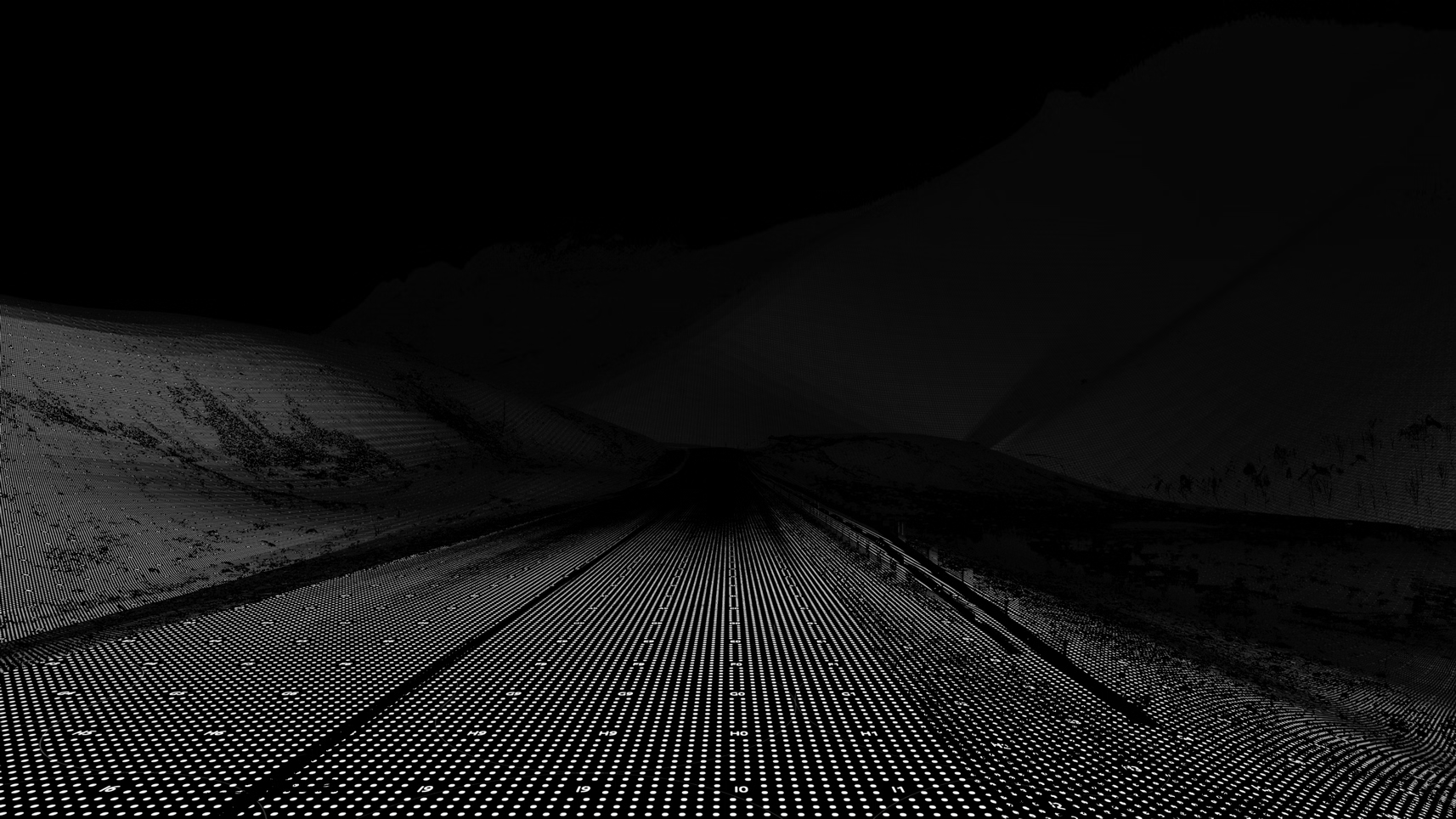
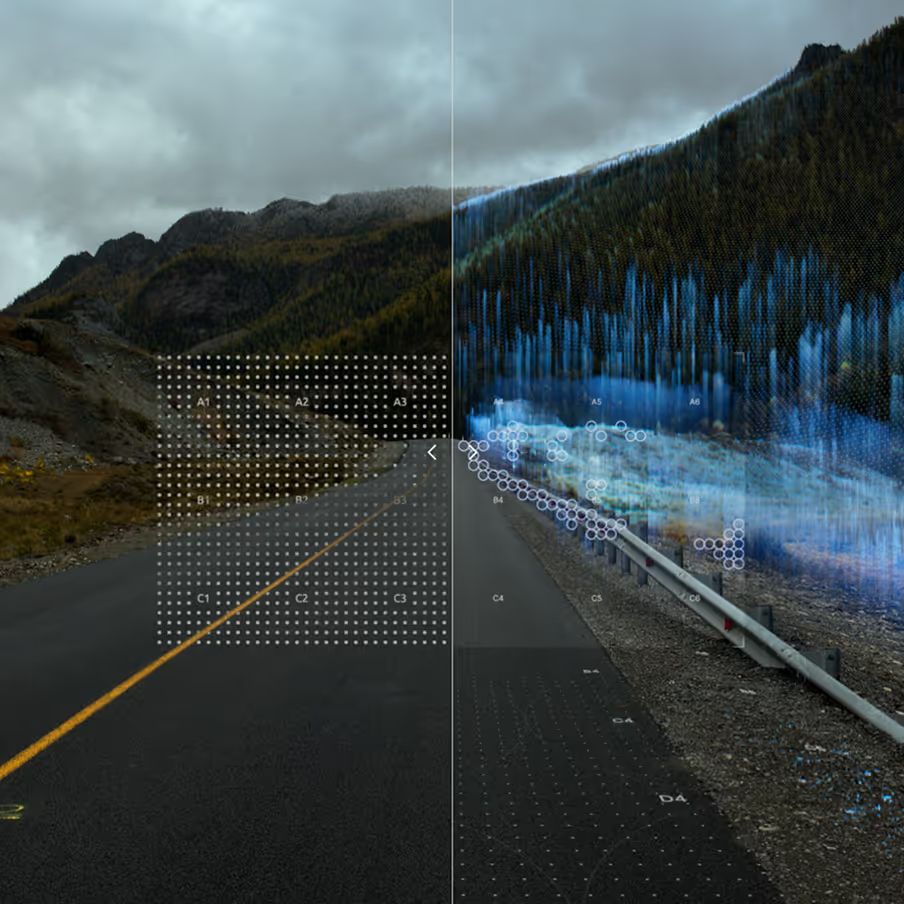
It is a space where pixels exist not only in width and height, but also in depth. Rendering it fully on a standard flat display is impossible, but its essence can still be conveyed in a flat image. One way is to show the intersection of spatial pixels with surfaces.
In the image, you see a spatial grid that conditionally divides space into volumes, allowing its multidimensionality to be perceived.


Standard HUD Visualization
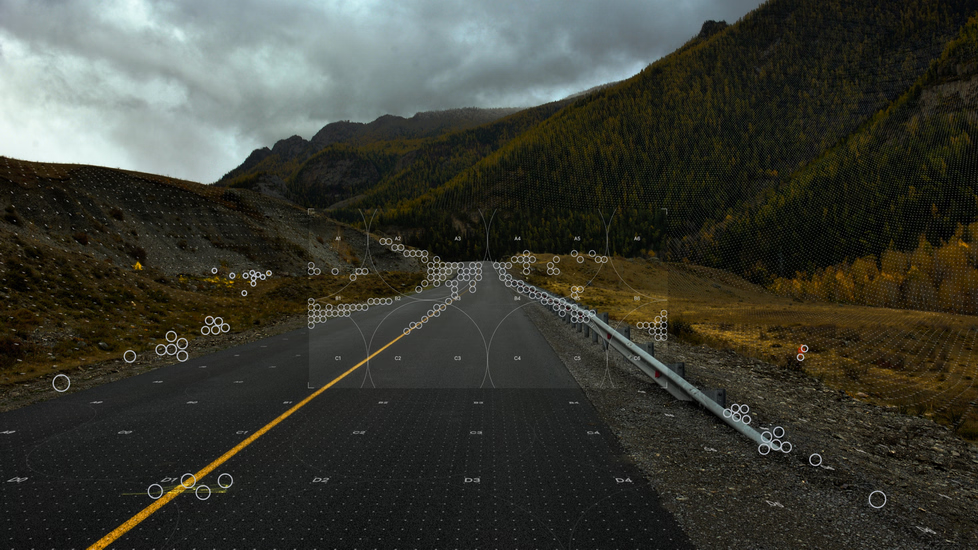
To emphasize the difference between Infinite Pixel Depth technology and a standard HUD, we deliberately chose a distinctly two-dimensional image. Its purpose is to illustrate the technological concept of a conventional HUD rather than its qualitative characteristics.

Enhanced Depth, Resolution, and Color
The next task was to demonstrate that, beyond its spatial rendering capabilities, Infinite Pixel Depth technology also offers high resolution density and a wide color palette
To convey a sense of volume in space, we imagined pixels taking flight — like digital plants dispersing into the environment, growing freely and expressing both vitality and motion.
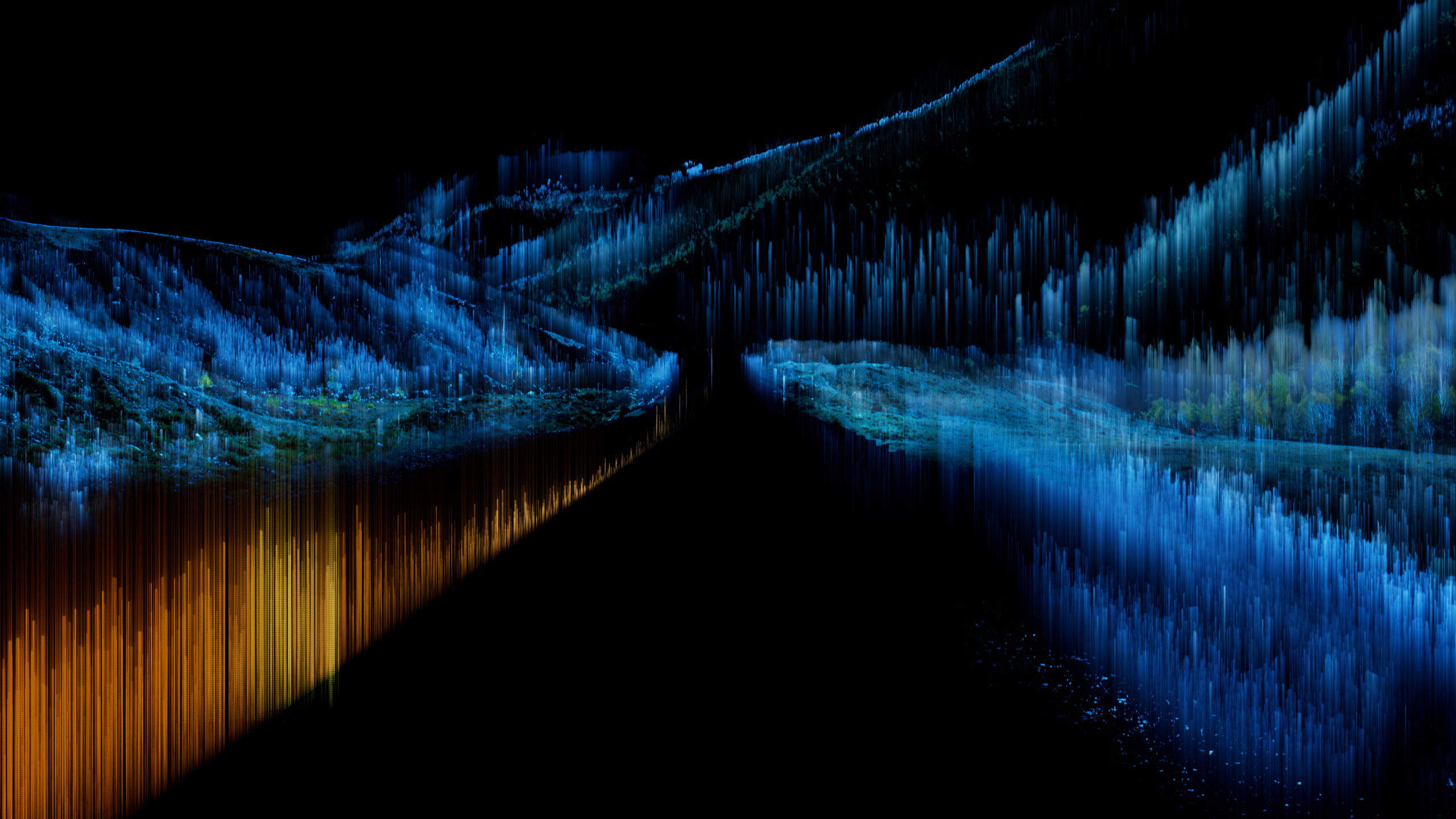
The final image was published on the company’s website, distance.tech, where, along with other materials, it helps showcase and impress site visitors.
*
Distance | AR HUD Unity demo
We partnered with the Finnish startup Distance to help them showcase their groundbreaking spatial display technology
*
Vasa Museum | Visitor experience concept
An AR solution that adds a new layer of depth to exploring Stockholm’s most visited museum, with multiple overlays enriching the visitor experience

*
British Museum | Visitor experience concept
A great story becomes even more impressive when you place it in context. British Museum visitor experience research.